How we grow

Everything we sell, we grew.

Jupiter Sky Wellness is a cultivation operation before it is a shop. Nine strains, grown indoors in our own rooms, dried whole and tested by a third-party lab every harvest. What follows is the actual process, including the parts that limit how much we can make.

Cultivation

Three steps, and none of them are quick.

A run takes weeks from grain to jar. Most of that time is spent waiting on conditions we cannot rush without paying for it in yield or in contamination.

  1. 01

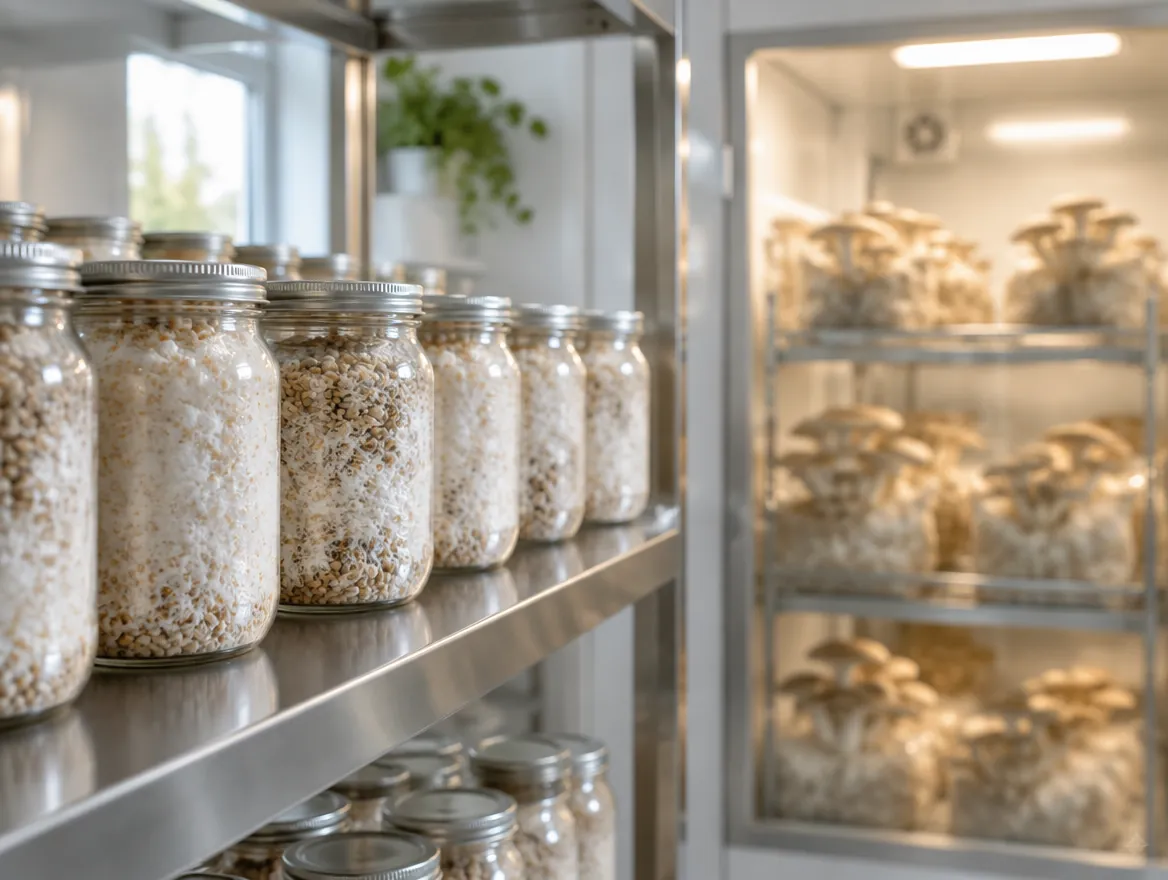
    Sterilised grain

    Every run starts from sterilised grain spawn, colonised in sealed jars before it ever reaches a substrate. Sterilisation is the step that decides the harvest: contamination that gets in here cannot be corrected later, so a jar that shows anything other than clean growth is discarded rather than carried forward.

  2. 02

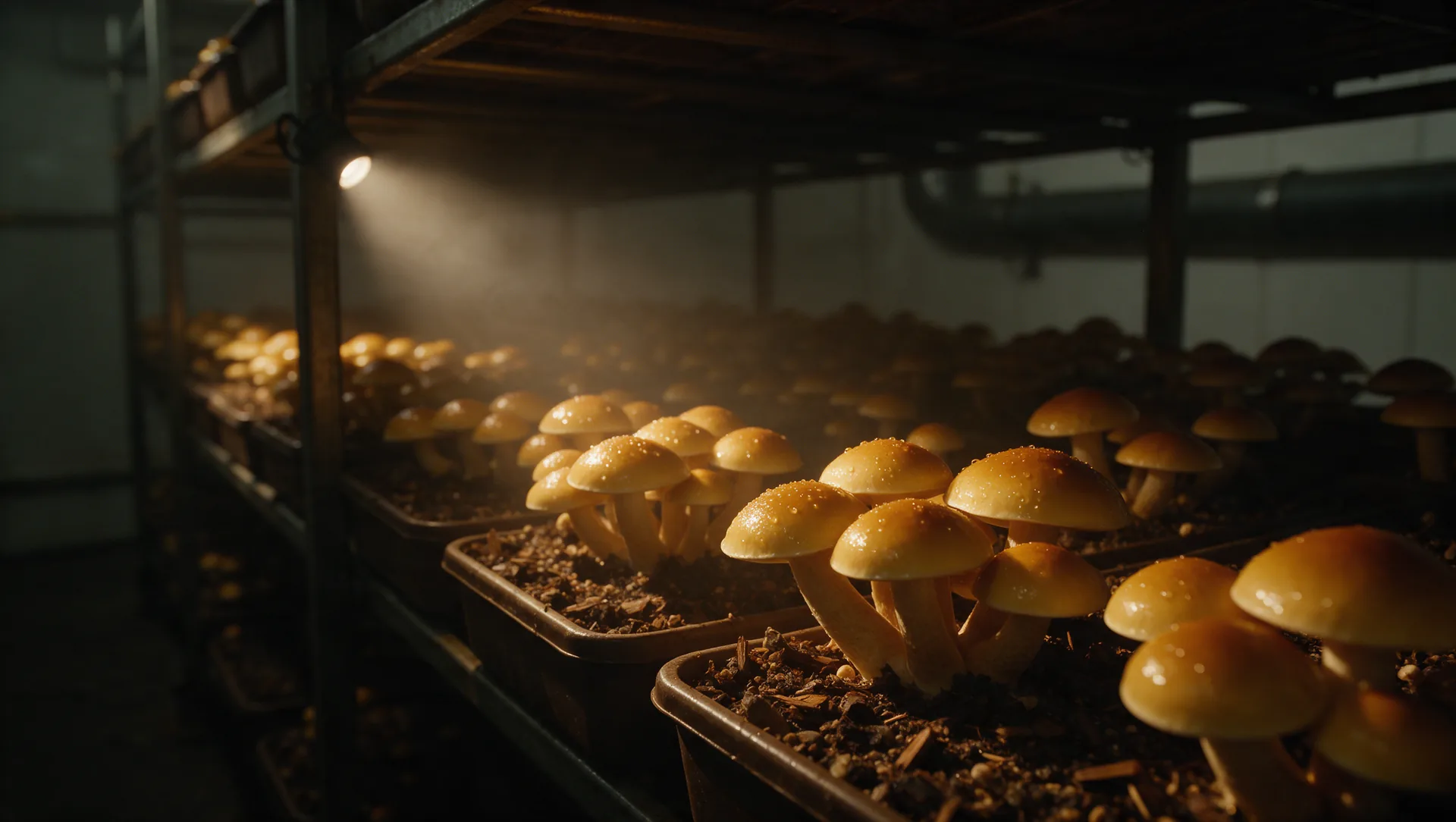
    Controlled fruiting rooms

    Colonised grain moves into fruiting rooms where temperature, humidity and fresh-air exchange are held to a set range for the whole flush. Each strain gets its own room conditions rather than a house average, because the same substrate fruited two degrees apart gives two different yields and two different cap densities.

  3. 03

    Slow-dried whole caps

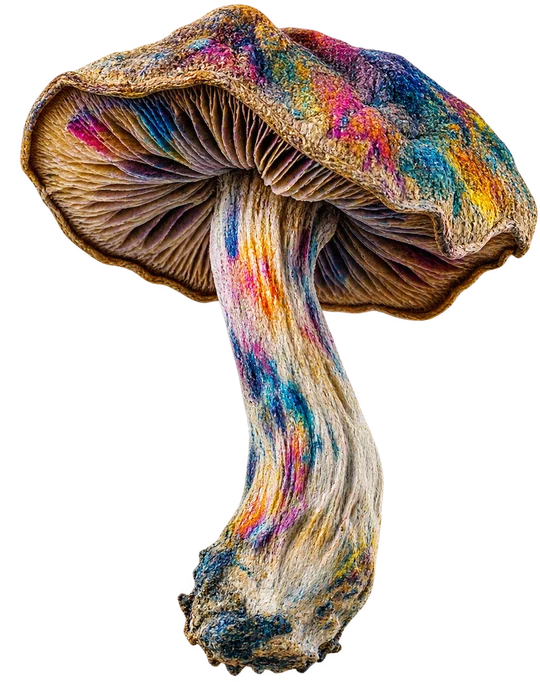
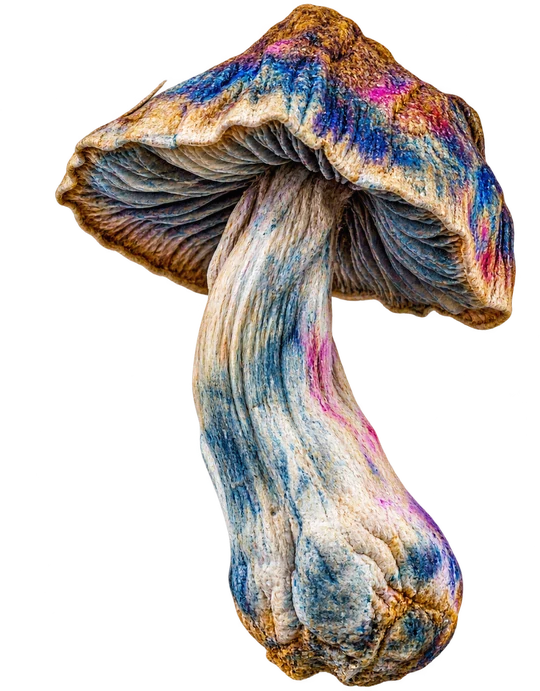
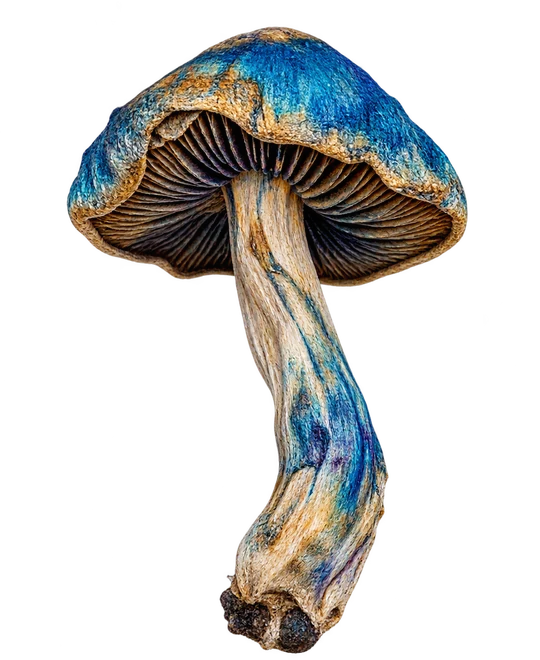
    Fruits are harvested at the point the veil tears and dried slowly to cracker-dry, then stored whole. We never mill. A ground product hides broken caps, stems and whatever else went into it, and it loses potency faster because far more surface area is exposed to air and light.

Indoors, start to finish

No pesticides, at any stage.

Growing indoors means pests are kept out by sterile technique and air handling rather than sprayed off later. Nothing in our rooms is treated with a pesticide or a fungicide, and there is no point in the process where a chemical fix is used to save a run that has gone wrong. A contaminated run is written off.
Testing

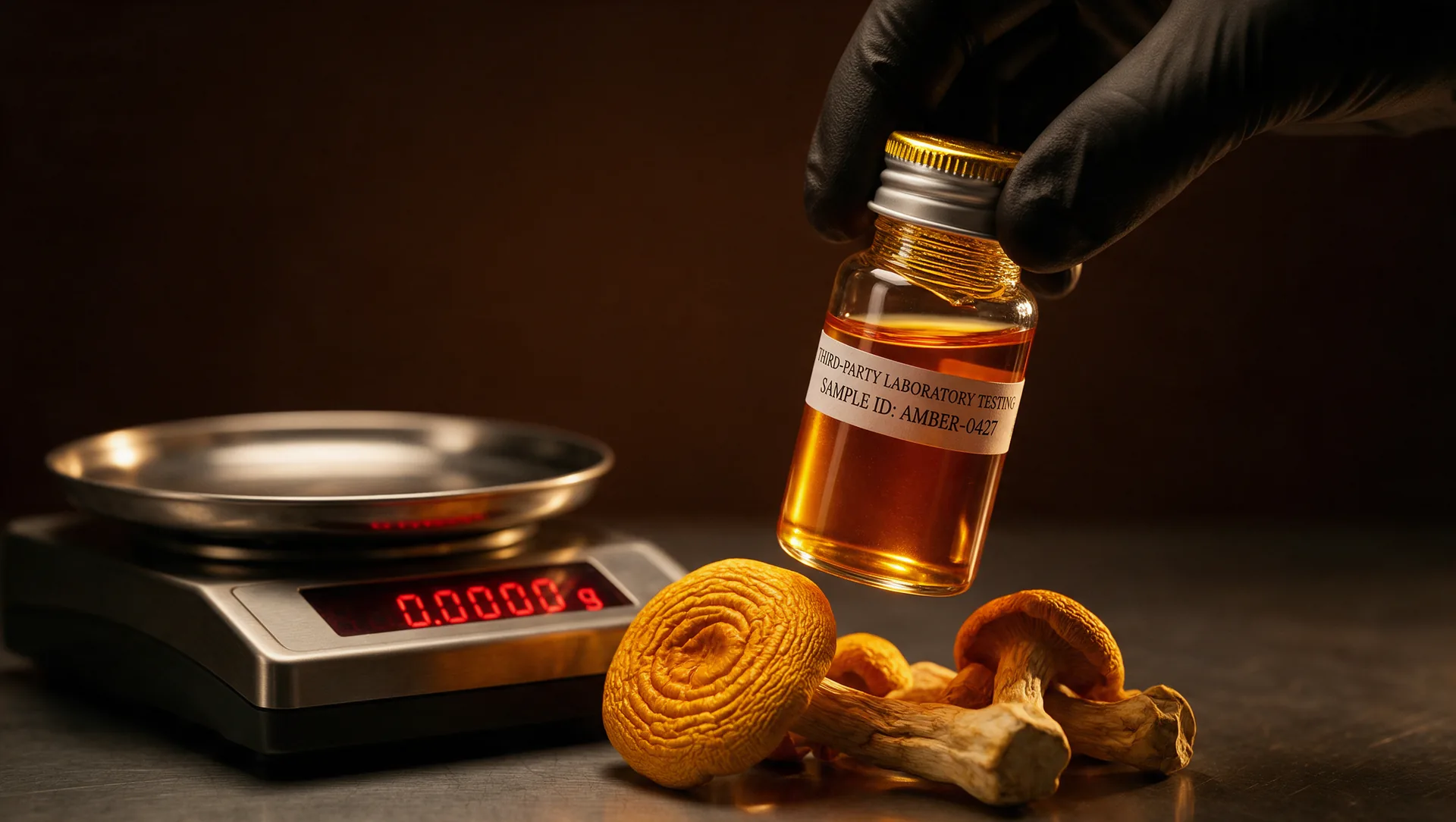
Every harvest goes to a lab.

Not every batch, and not the first harvest of a strain as a representative sample. Every harvest, tested by a third-party lab before any of it is packed.

  1. 01

    Psilocybin and psilocin content

    Quantified per gram of dried material, on a sample drawn from the harvest being sold rather than a representative batch from an earlier run. This is the figure behind the potency rating on every strain page.

  2. 02

    Microbial safety

    Screened for aerobic bacteria, yeast and mould, coliforms and other common post-harvest contaminants. A harvest that fails is destroyed, not blended into a passing batch.

  3. 03

    Heavy metals

    Mushrooms take up metals from whatever they grow on. Substrate inputs and finished material are both tested for lead, arsenic, cadmium and mercury against food-grade limits.

What we are not

Three things we do not do.

We are not a reseller. We do not buy finished product from another grower and put our name on it, which is why the catalogue is nine strains and not ninety. There are no wholesale middlemen between the room and the order, so the harvest we test is the harvest that ships. And we do not use pesticides, so there is nothing to disclose about residue limits.

Where to go next

Read the strain, then pick the size.

Potency varies more between strains than most people expect, and the library covers lineage, onset and duration for all nine. Read it before ordering rather than after.